Debrief from the START Side Session in the EIT RawMaterials Summit
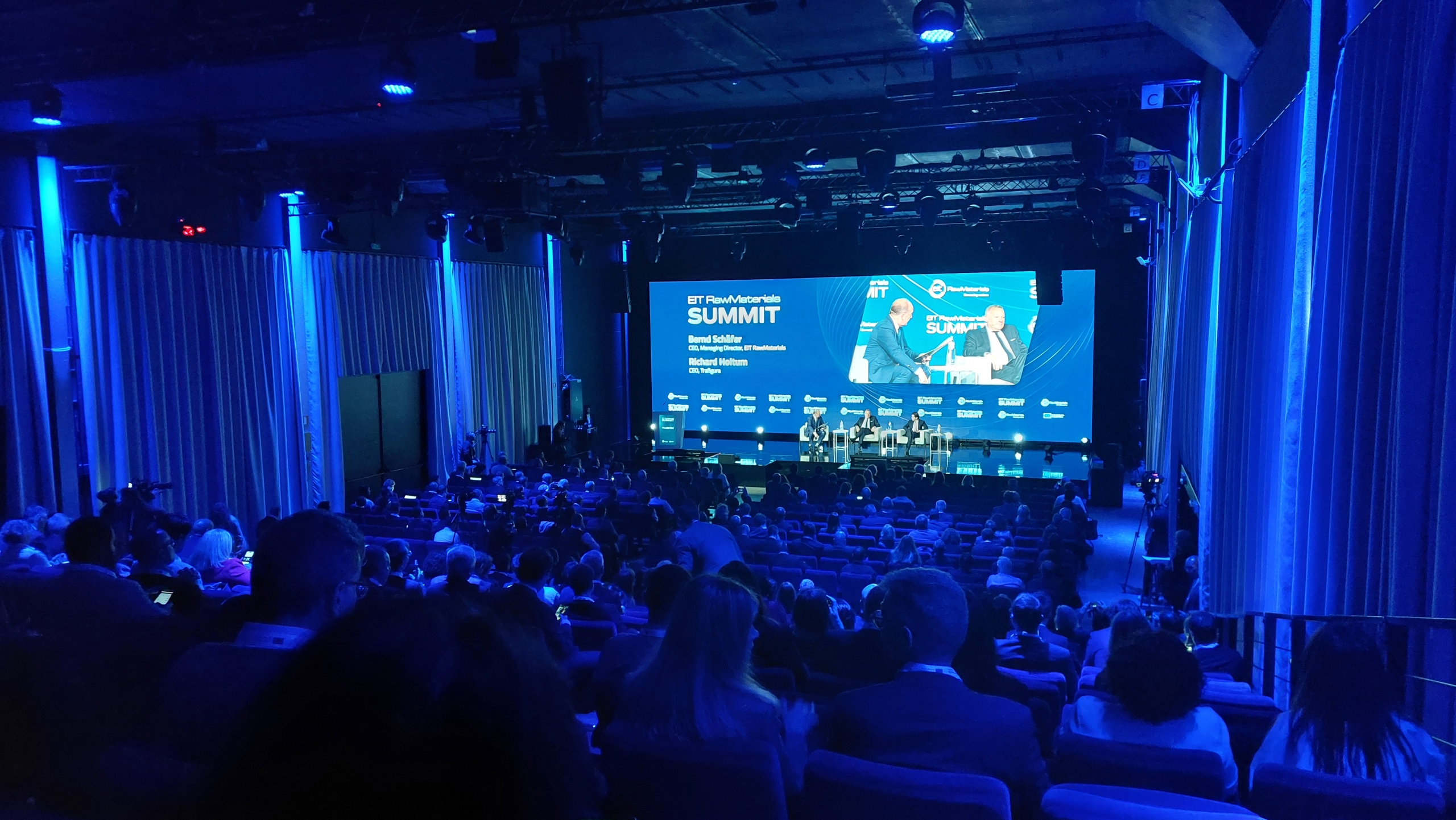
The START project supported the EIT RawMaterials Summit 2026 and, as part of this, hosted a dedicated one-hour session within the official programme. The Summit is one of Europe’s key events in the raw materials sector, bringing together industry, research and policy stakeholders to exchange on innovation, sustainability and resilience. The conference was at its eight edition this year, and achieved a sold out with 1100 delegates in Brussels.
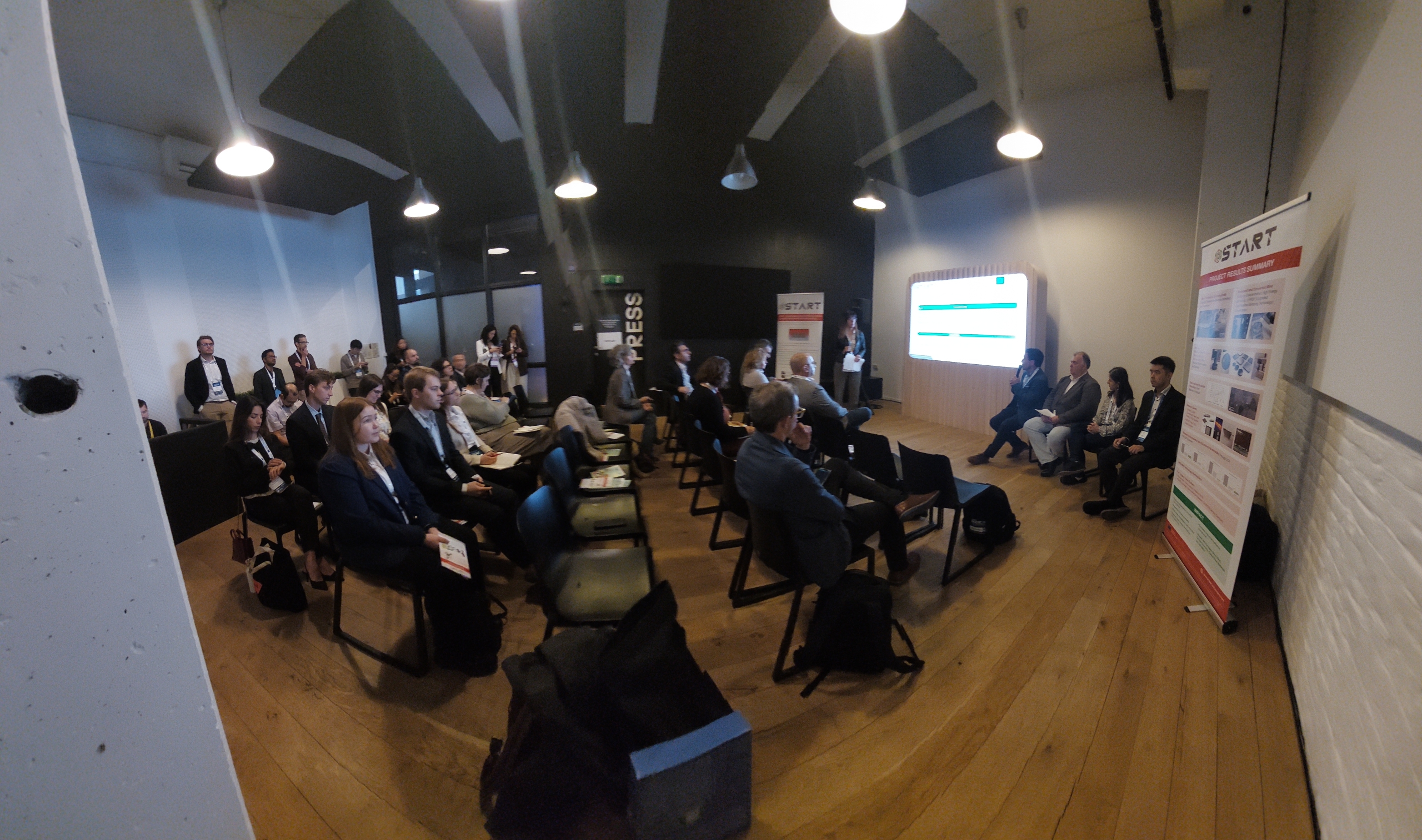
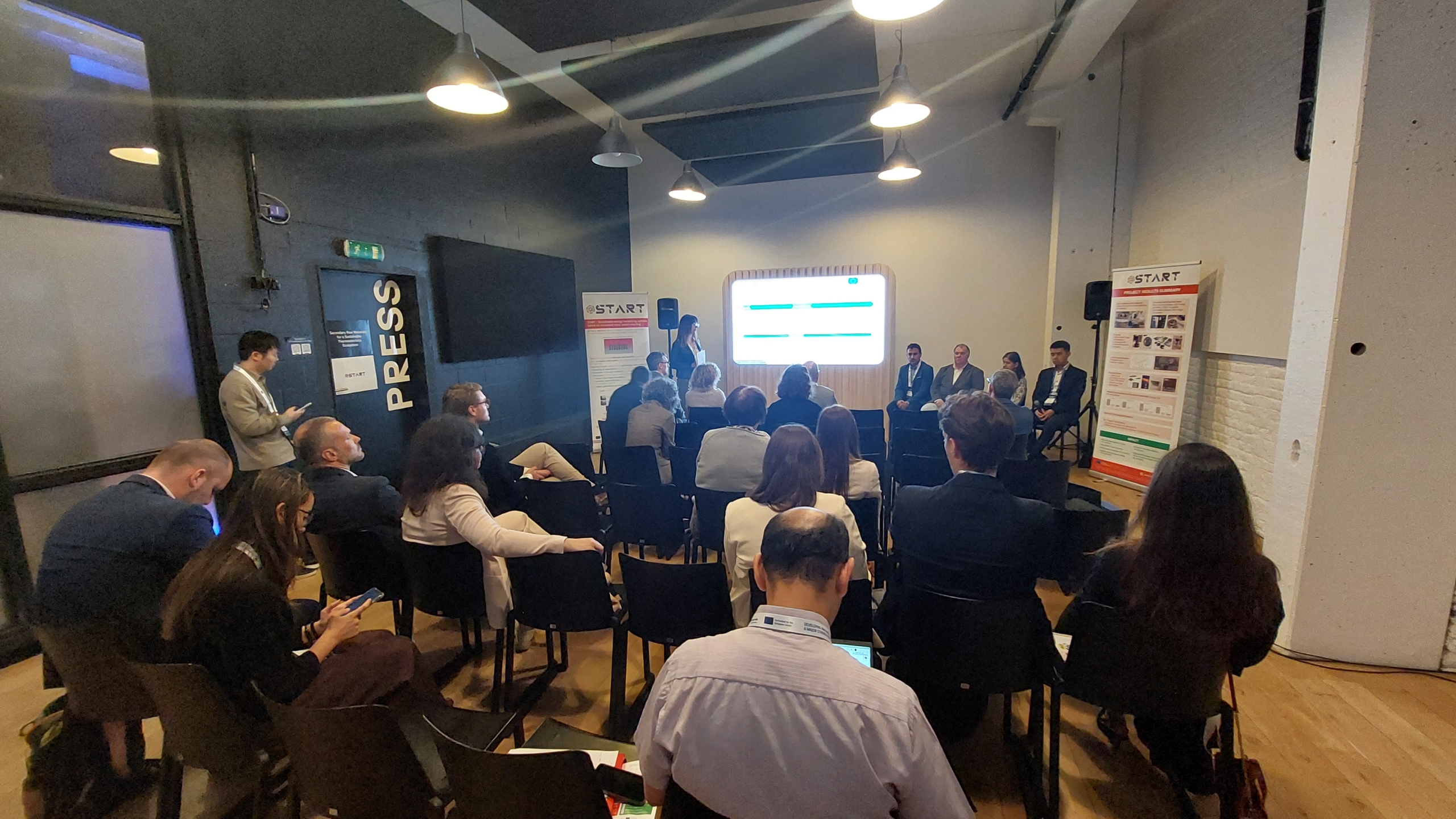
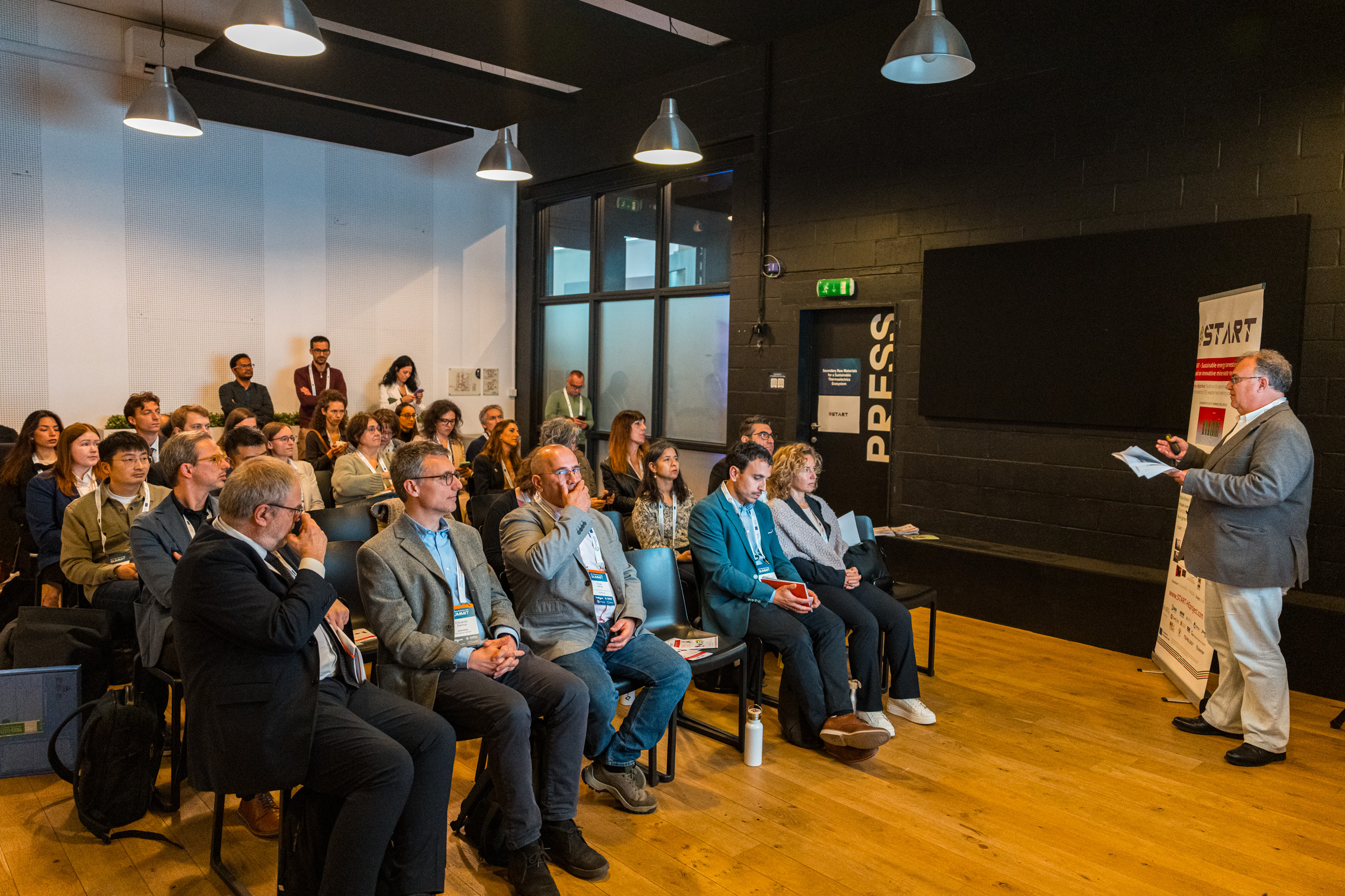
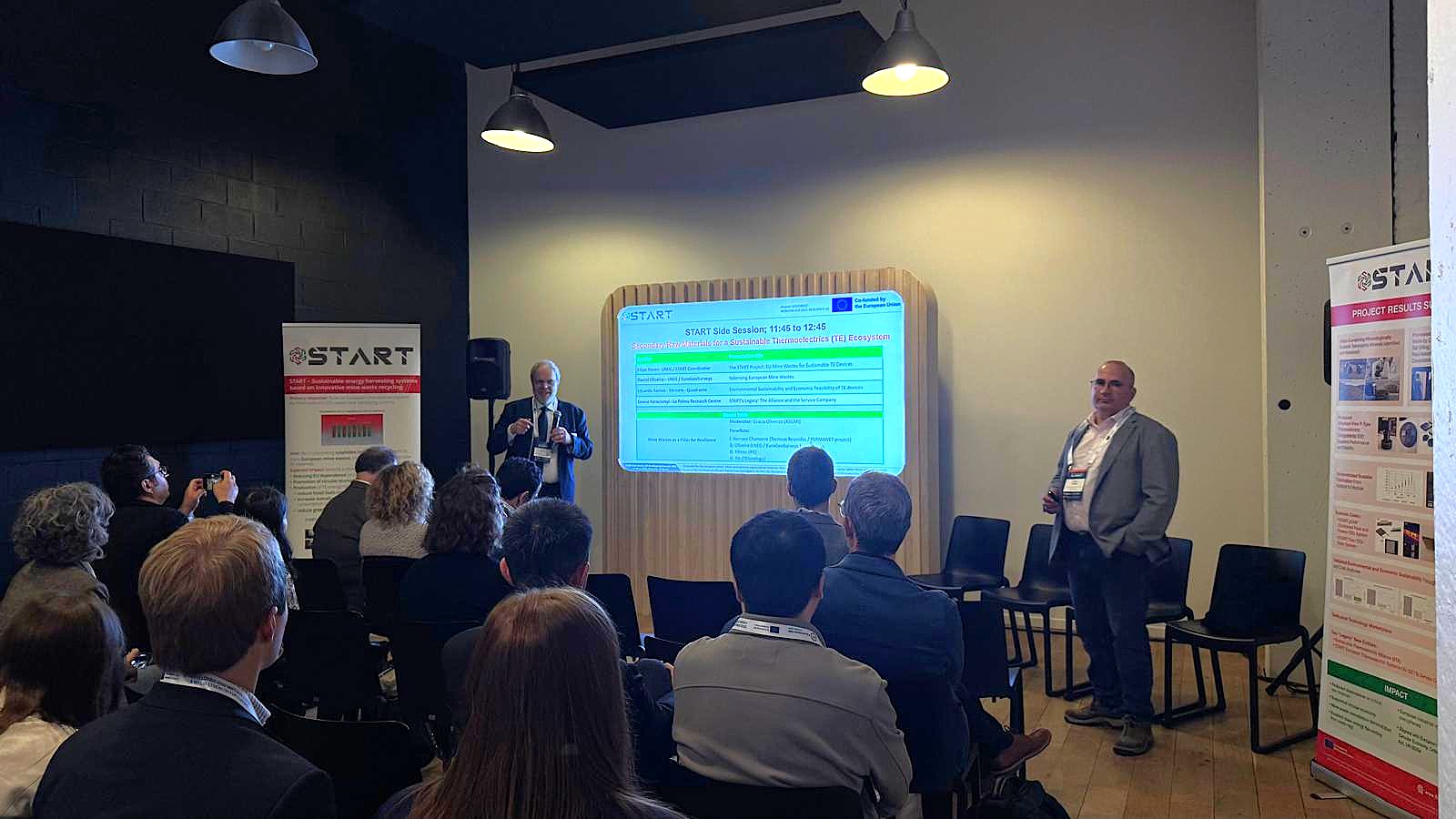
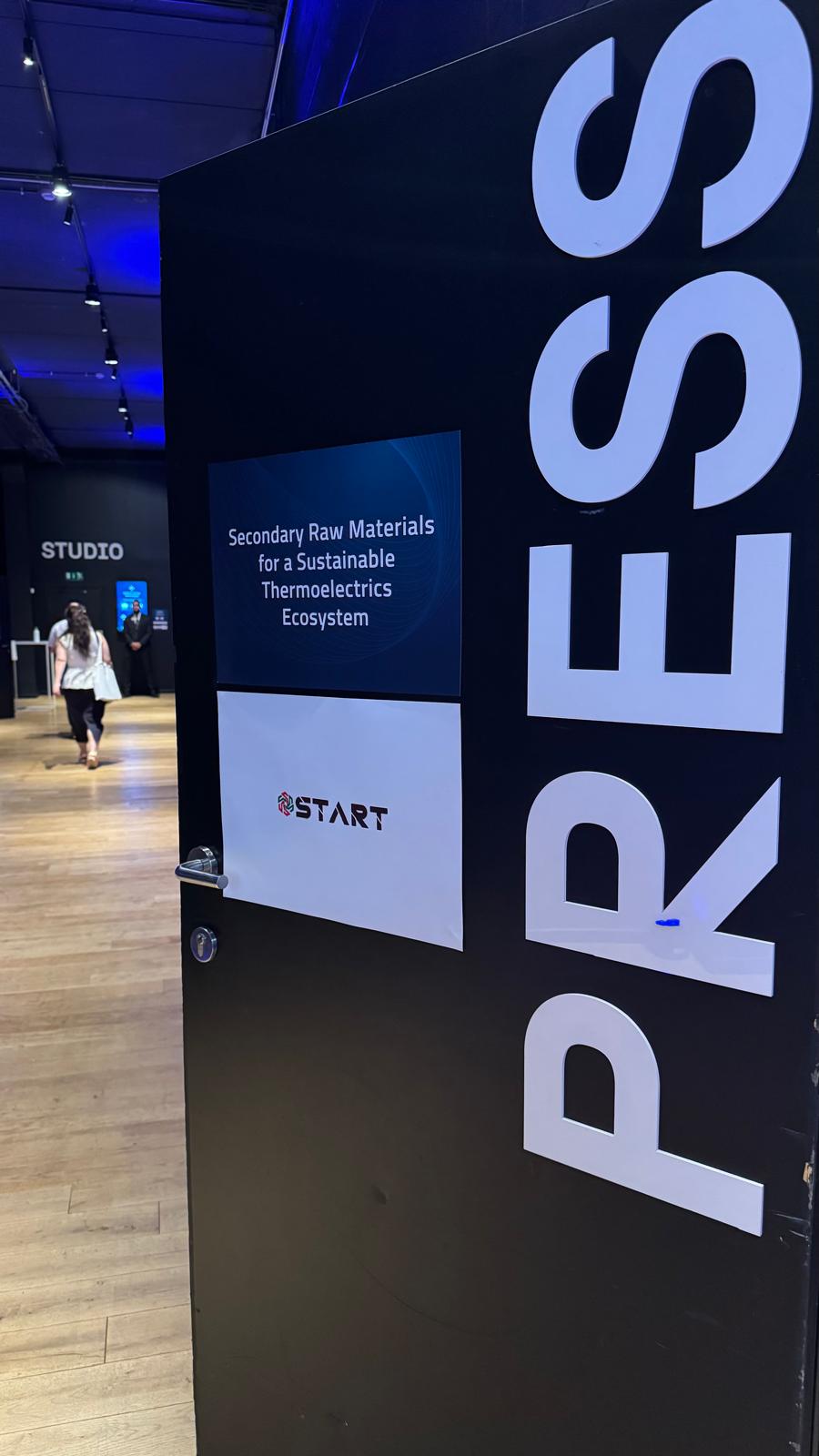
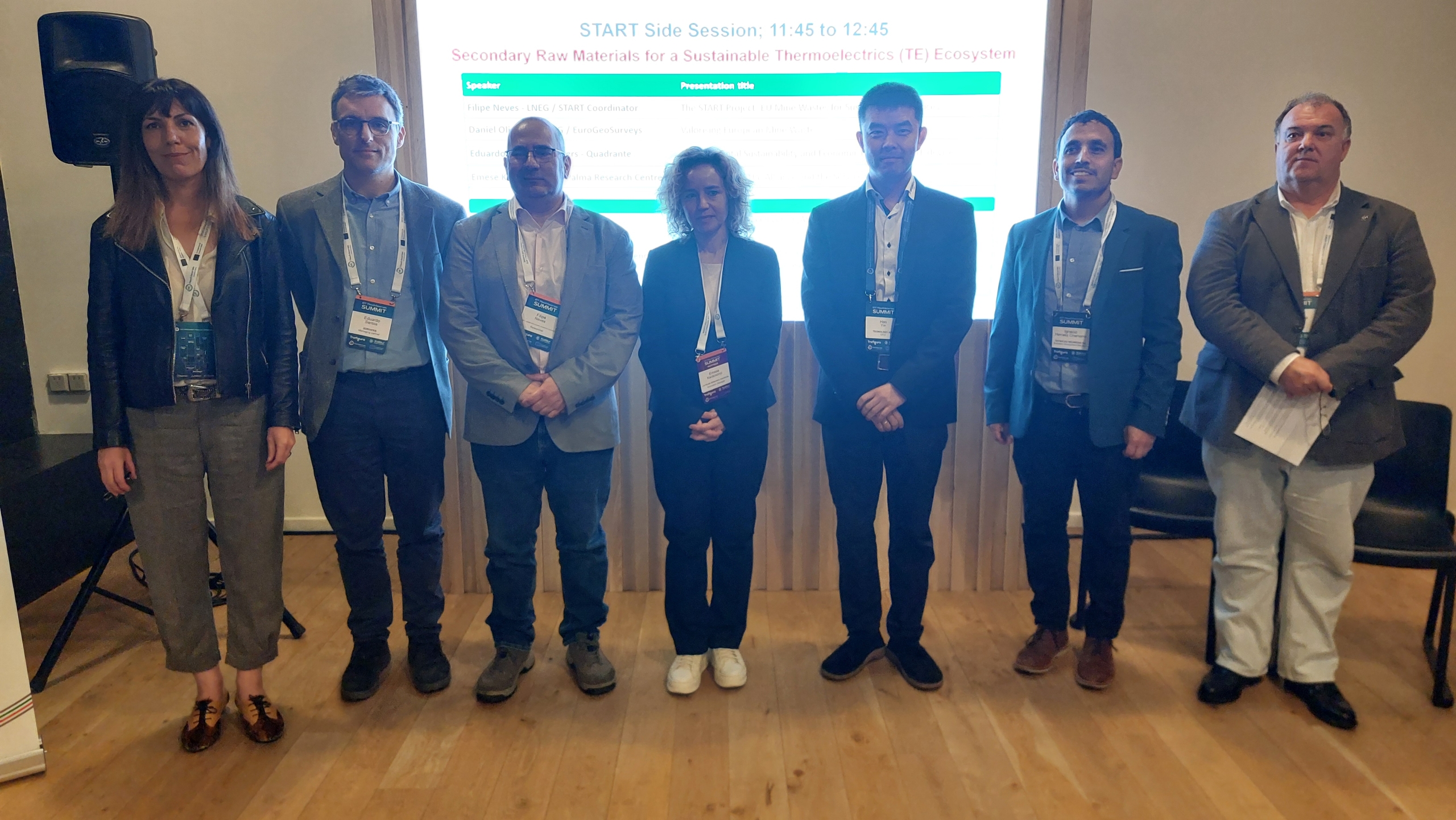
The START session took place on 20 May 2026 (11:45–12:45) in the “Press” Room at The Egg Conference Centre, the conference venue. Titled “A Thermoelectrics Ecosystem from Sustainable Secondary Raw Materials”, it focused on the raw materials dimension of the project and how secondary resources can contribute to a more resilient European value chain. The session was open to all registered Summit participants. The programme featured a series of short presentations covering:
- Filipe Neves (LNEG, START Coordinator) – The START Project: EU Mine Wastes for Sustainable TE Devices
- Daniel Oliveira (LNEG) – Valorising European Mine Wastes
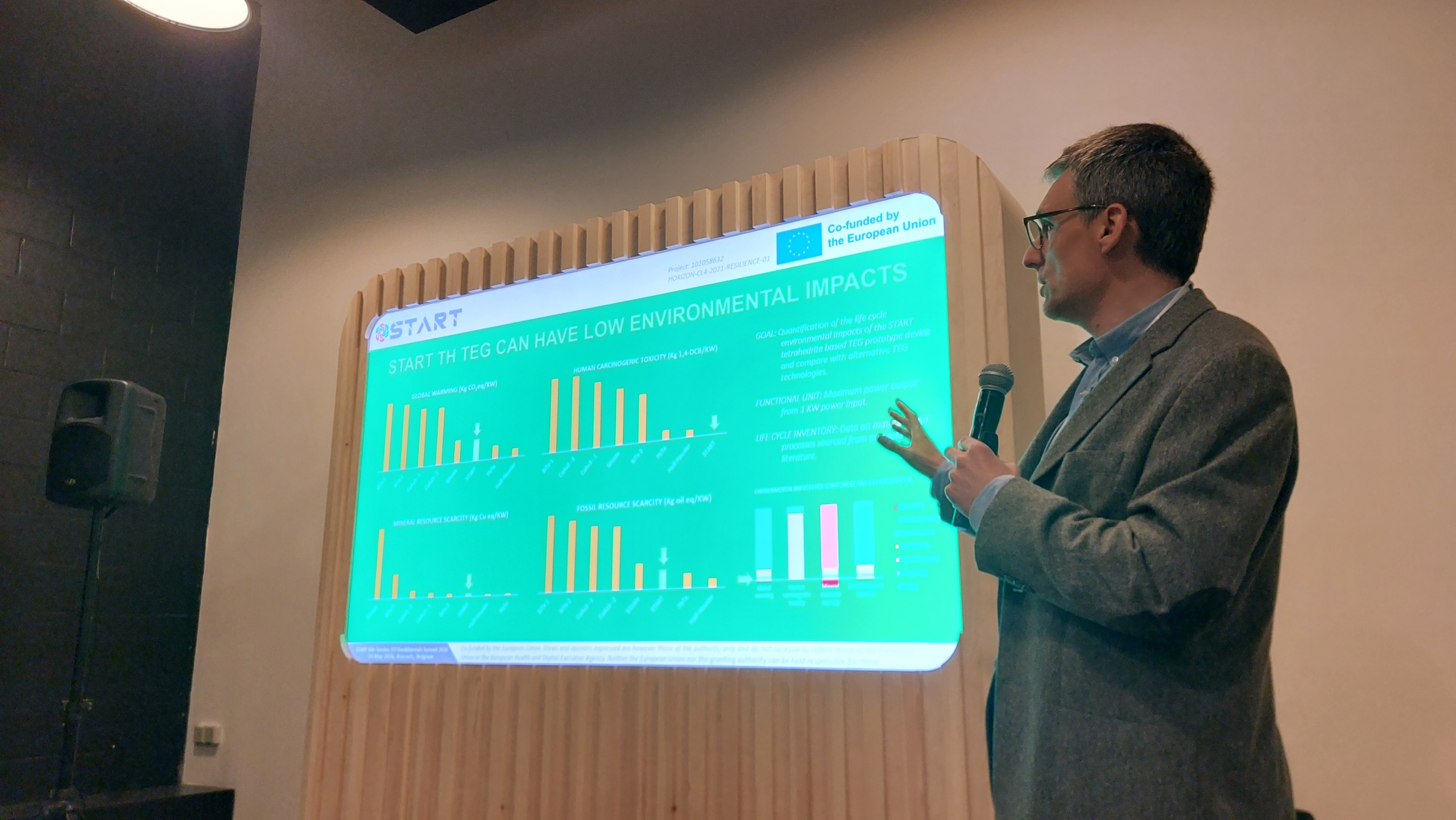
- Eduardo Santos (3drivers) – Environmental Sustainability and Economic Feasibility of TE Devices
- Emese Karacsonyi (La Palma Research Centre) – START’s Legacy: The Alliance and the Service Company
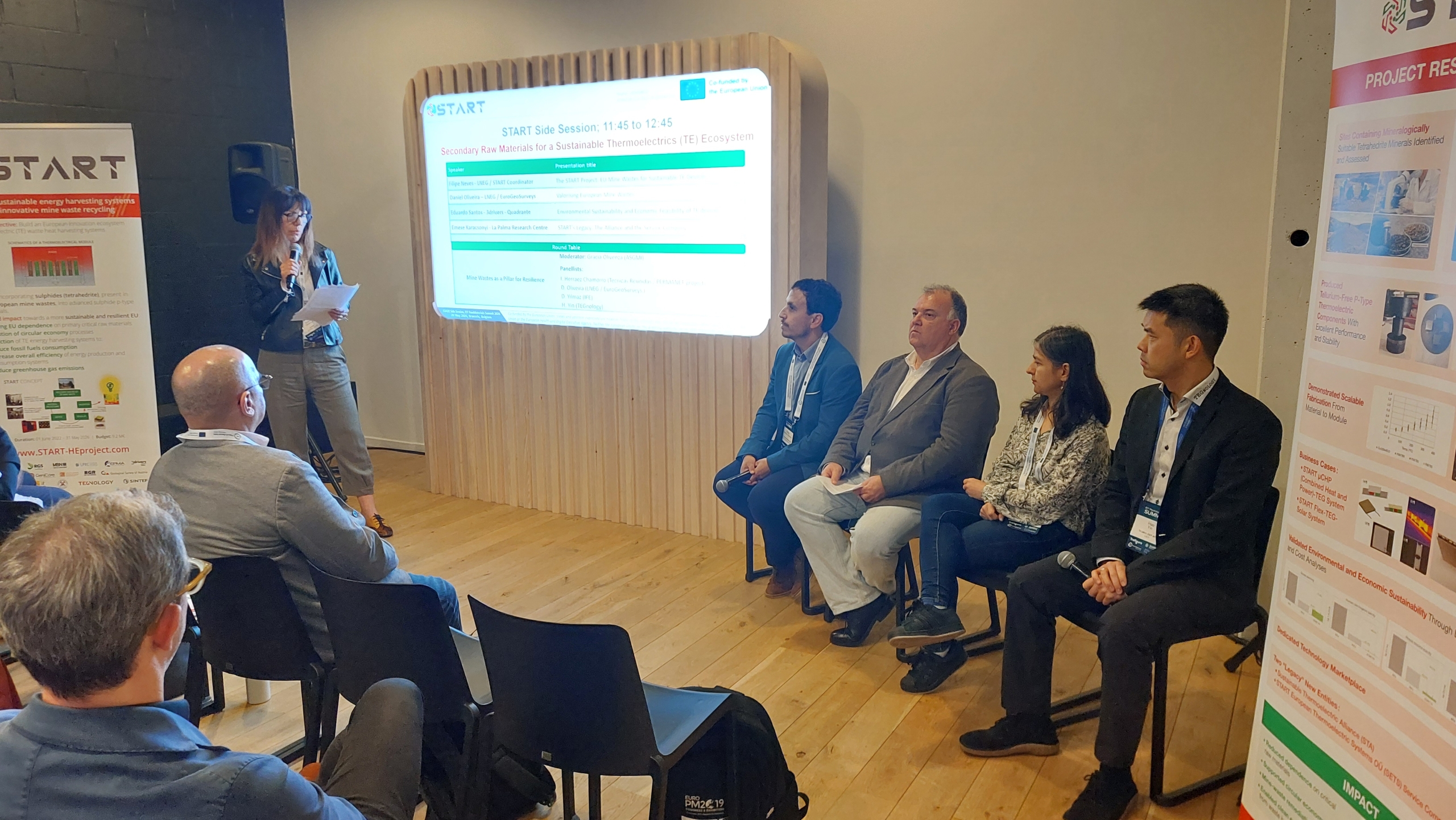
The session concluded with a 30-minute round table on “Mine Wastes as a Pillar for Resilience”, bringing together experts from within and beyond the START consortium.
- Moderated by: Gracia Olivenza (ASGMI)
- Panellists: I. Herraez Chamorro (Tecnicas Reunidas, PERMANET), D. Oliveira (LNEG), D. Yilmaz (Institute for Energy Technology, REESOURCE), H. Yin (TEGnology)
The round table discussion explored how secondary raw materials, particularly mine wastes, can support a sustainable thermoelectric ecosystem, and materials ecosystems in general, and strengthen Europe’s critical raw materials supply. Bringing together expertise from geology, sustainability, industry and market deployment, the discussion highlighted the challenges of moving from resource characterisation to fully integrated industrial solutions.
Key points included:
- the complexity of scaling up technologies,
- the need for supportive and coherent regulatory frameworks,
- and the importance of building complete, well-connected value chains.
Panellists also underlined the central role of geoscientific knowledge in unlocking the potential of secondary resources, alongside the need to address environmental and social aspects from the outset.
Overall, the discussion emphasised that long-term impact will rely not only on technological progress, but also on the development of coordinated ecosystems linking industry, research and policy, within an evolving global and geopolitical context.
Around 30 participants joined the session in the Press Room. It provided a valuable (last) opportunity to share START results and vision with the wider raw materials community, after the side events organised during the Raw Materials Weeks in 2024 and 2025!